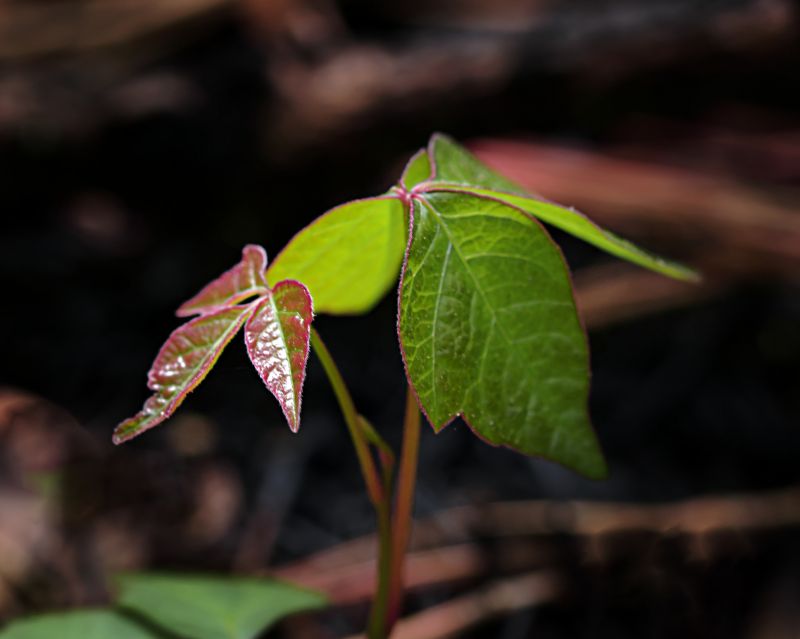
Poison Ivy Removal in Burlington County, NJ
Poison ivy removal services focus on safely eliminating this common plant that can cause skin irritation and allergic reactions. These services typically cover residential properties such as yards, gardens, wooded areas, and fence lines where poison ivy tends to grow. Property owners often seek this service when they notice the plant spreading across their outdoor spaces, especially in areas frequented by children, pets, or outdoor enthusiasts. Understanding the extent of the infestation and the accessibility of affected areas helps determine the appropriate removal approach and ensures that the plant is effectively and safely cleared.
Before requesting poison ivy removal, property owners usually want to know about the methods used to remove the plant and whether the removal process includes root elimination to prevent regrowth. Clarifying if the service involves manual removal, herbicide application, or a combination of both can help ensure the plant is thoroughly eradicated. Additionally, understanding any precautions taken to protect surrounding plants, landscaping, and the safety of residents during the removal process can assist in planning the project accordingly.
Many property owners in Burlington County, NJ look into Poison Ivy Removal for repairs, replacements, upgrades, and appearance-related improvements.
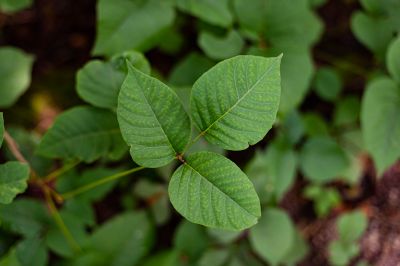
Understanding Poison Ivy Risks
Poison ivy can cause skin irritation and allergic reactions if touched or disturbed.
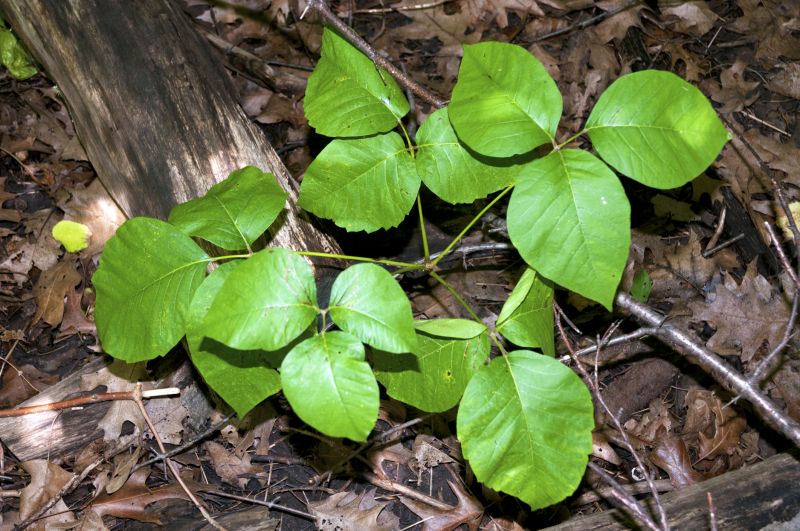
Common Removal Methods
Professional removal involves safely eliminating vines from trees, fences, and landscape areas.
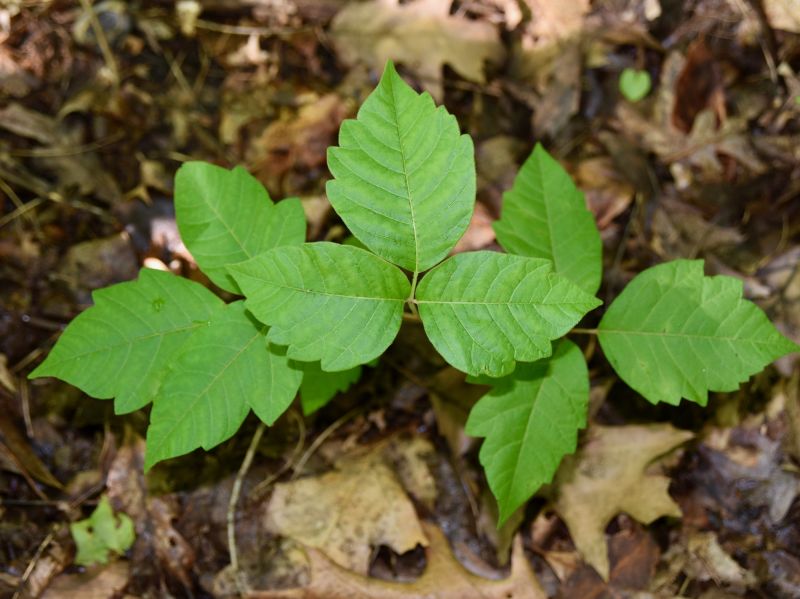
Property Protection Tips
Proper removal helps prevent plant spread and protects outdoor spaces in burlington county, nj.
Poison Ivy Removal in Burlington County, NJ
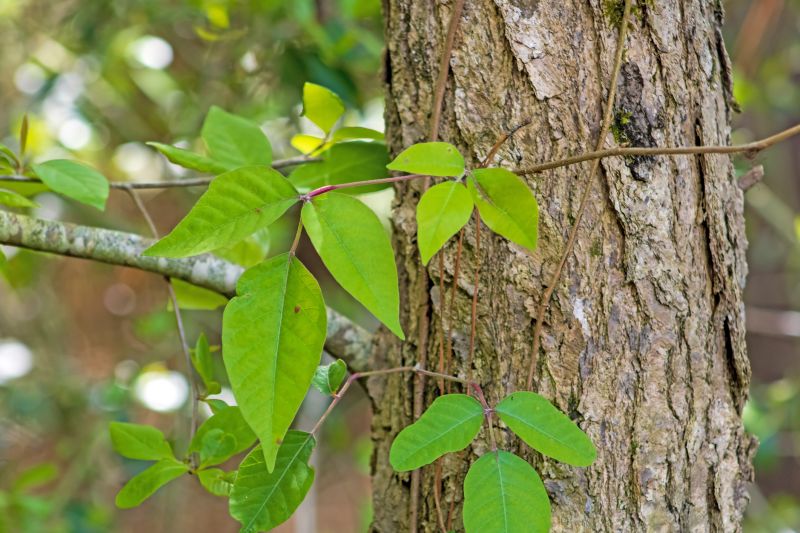
Poison ivy removal services focus on safely eliminating this common plant that can cause skin irritation and allergic reactions. These services typically cover residential properties such as yards, gardens, wooded areas, and fence lines where poison ivy tends to grow. Property owners often seek this service when they notice the plant spreading across their outdoor spaces, especially in areas frequented by children, pets, or outdoor enthusiasts. Understanding the extent of the infestation and the accessibility of affected areas helps determine the appropriate removal approach and ensures that the plant is effectively and safely cleared.
Before requesting poison ivy removal, property owners usually want to know about the methods used to remove the plant and whether the removal process includes root elimination to prevent regrowth. Clarifying if the service involves manual removal, herbicide application, or a combination of both can help ensure the plant is thoroughly eradicated. Additionally, understanding any precautions taken to protect surrounding plants, landscaping, and the safety of residents during the removal process can assist in planning the project accordingly.
Many property owners in Burlington County, NJ look into Poison Ivy Removal for repairs, replacements, upgrades, and appearance-related improvements.
Common Poison Ivy Removal Jobs
Poison Ivy Removal - safe removal of poison ivy from yards and landscaping areas.
Yard Clearing - removal of poison ivy to improve outdoor safety and appearance.
Property Maintenance - ongoing control of poison ivy to prevent regrowth.
Landscaping Services - integrated poison ivy management within garden and lawn projects.
Hazard Prevention - reducing the risk of skin irritation and allergic reactions.
Vegetation Control - targeted removal of poison ivy from trees, fences, and other structures.
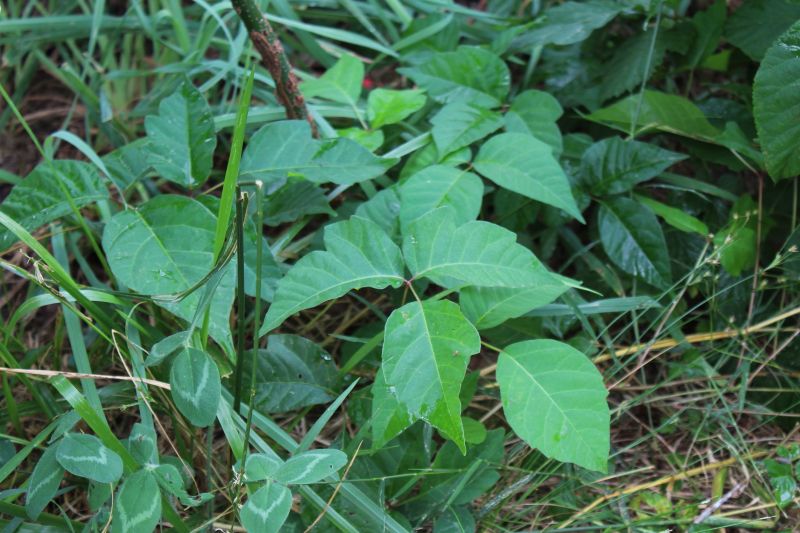
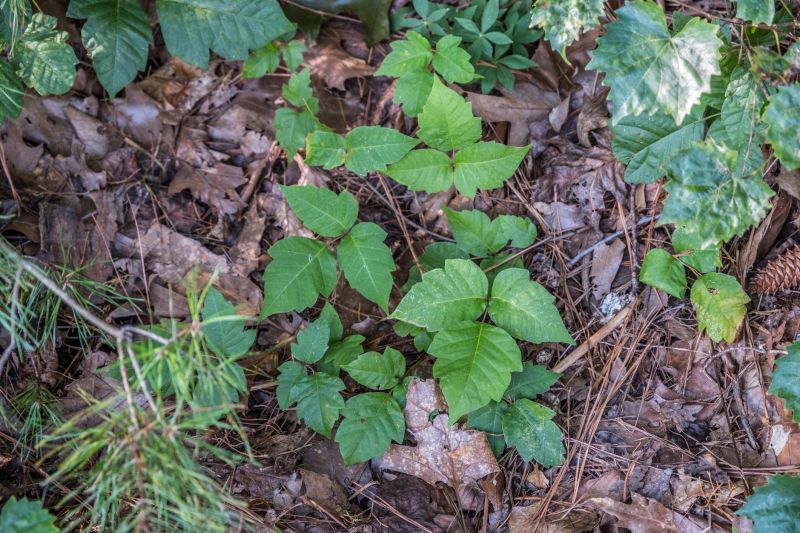
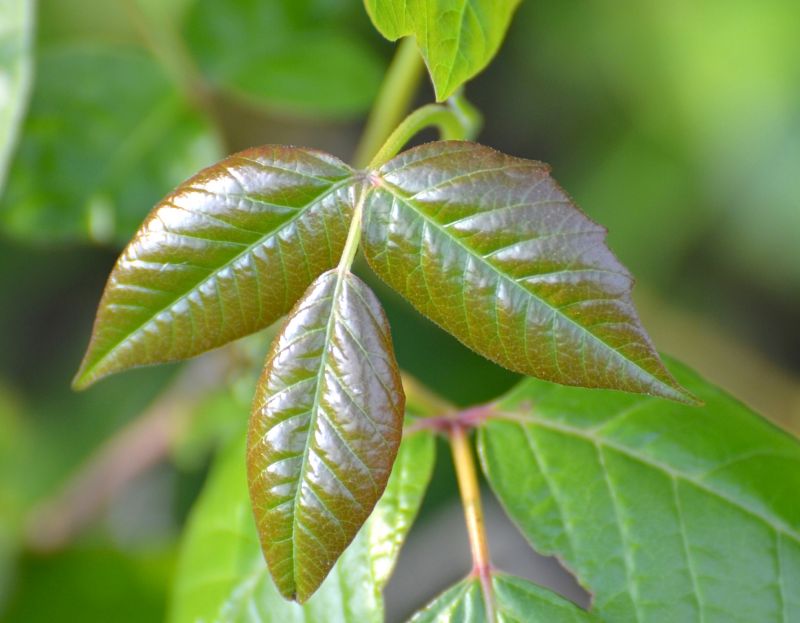
Poison Ivy Removal Questions
What is poison ivy removal? Poison ivy removal involves safely eliminating the plant from residential or commercial properties to prevent skin irritation and other health issues.
When should poison ivy be removed? Removal is recommended when poison ivy is growing in areas accessible to people or pets, especially near walkways, gardens, or play areas.
What methods are used for poison ivy removal? Techniques include manual pulling, cutting, and applying herbicides, ensuring the plant is thoroughly eradicated to prevent regrowth.
Are there safety precautions during removal? Proper protective gear, such as gloves and clothing, is essential to avoid skin contact with the plant during removal efforts.
Request Poison Ivy Removal in Burlington County, NJ
Use the quote form on this page to share the basics of your project and request more information for the type of work you need.